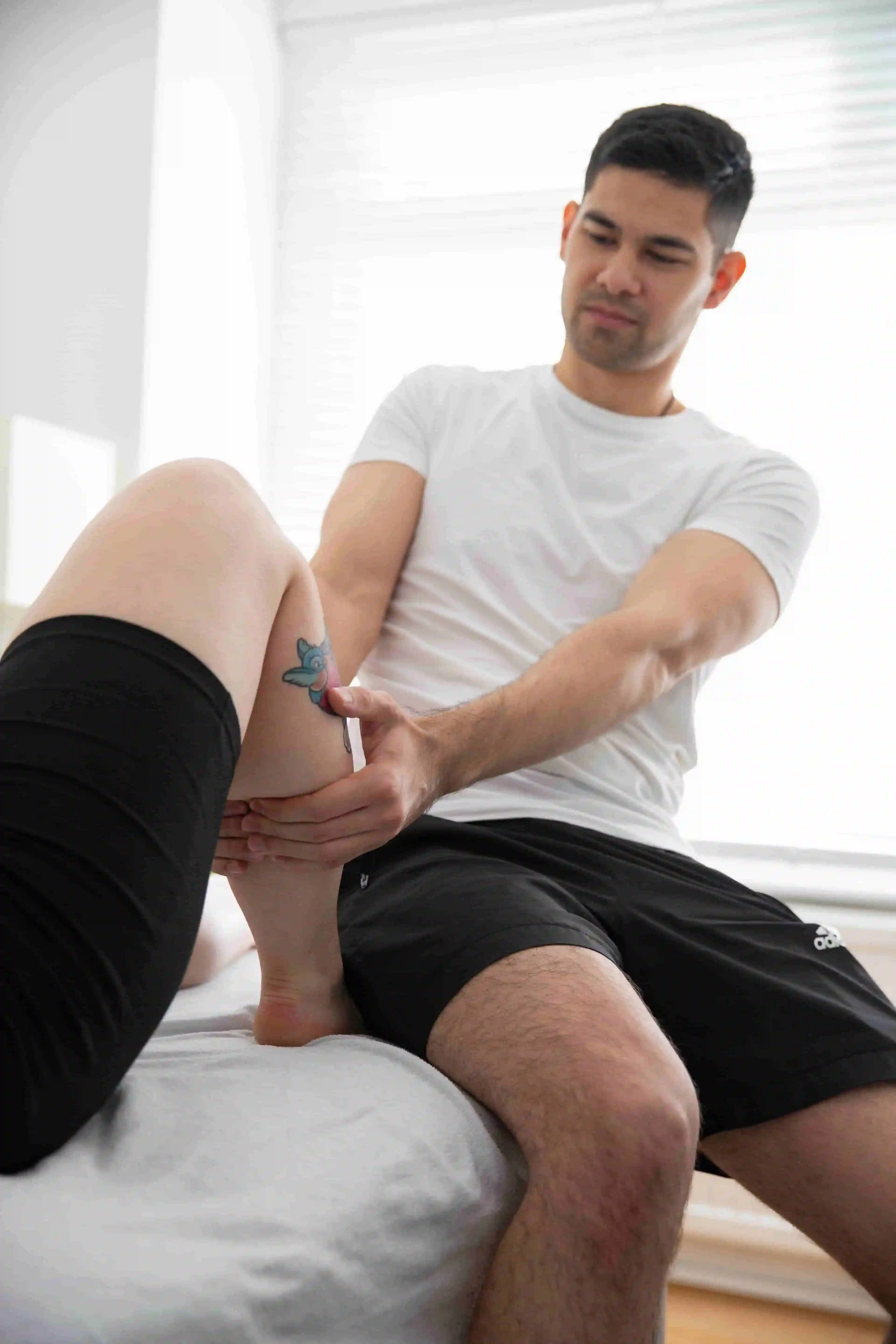
Featured Article

All Articles

More from the blog.

Desk worker back pain
Desk Workers

Why desk workers get back pain — and what actually fixes it.
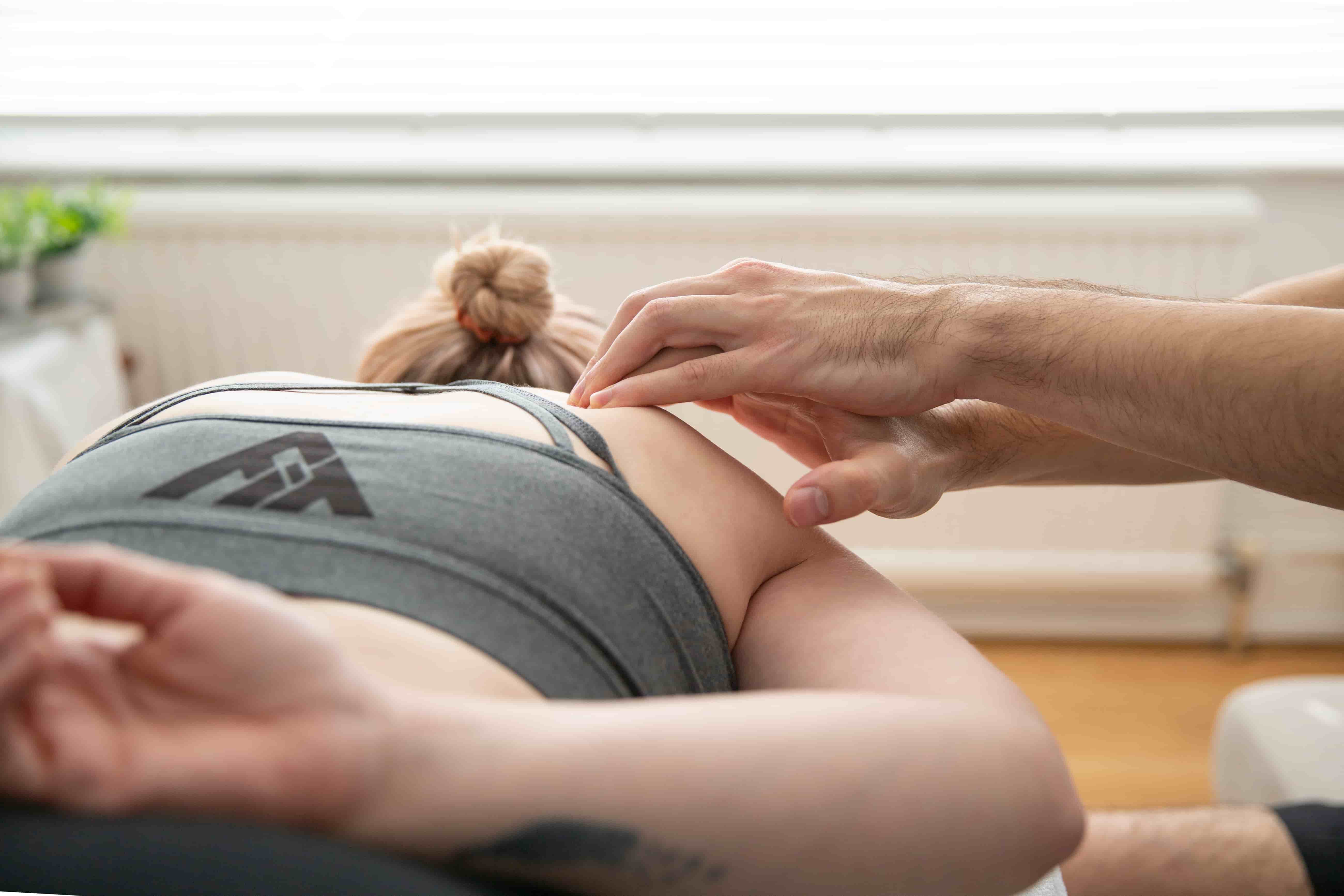
Long hours sitting don't just cause discomfort — they create muscle imbalances that build up over months.

Read more
Sports vs deep tissue massage
Education

Sports massage vs deep tissue — what's the actual difference?
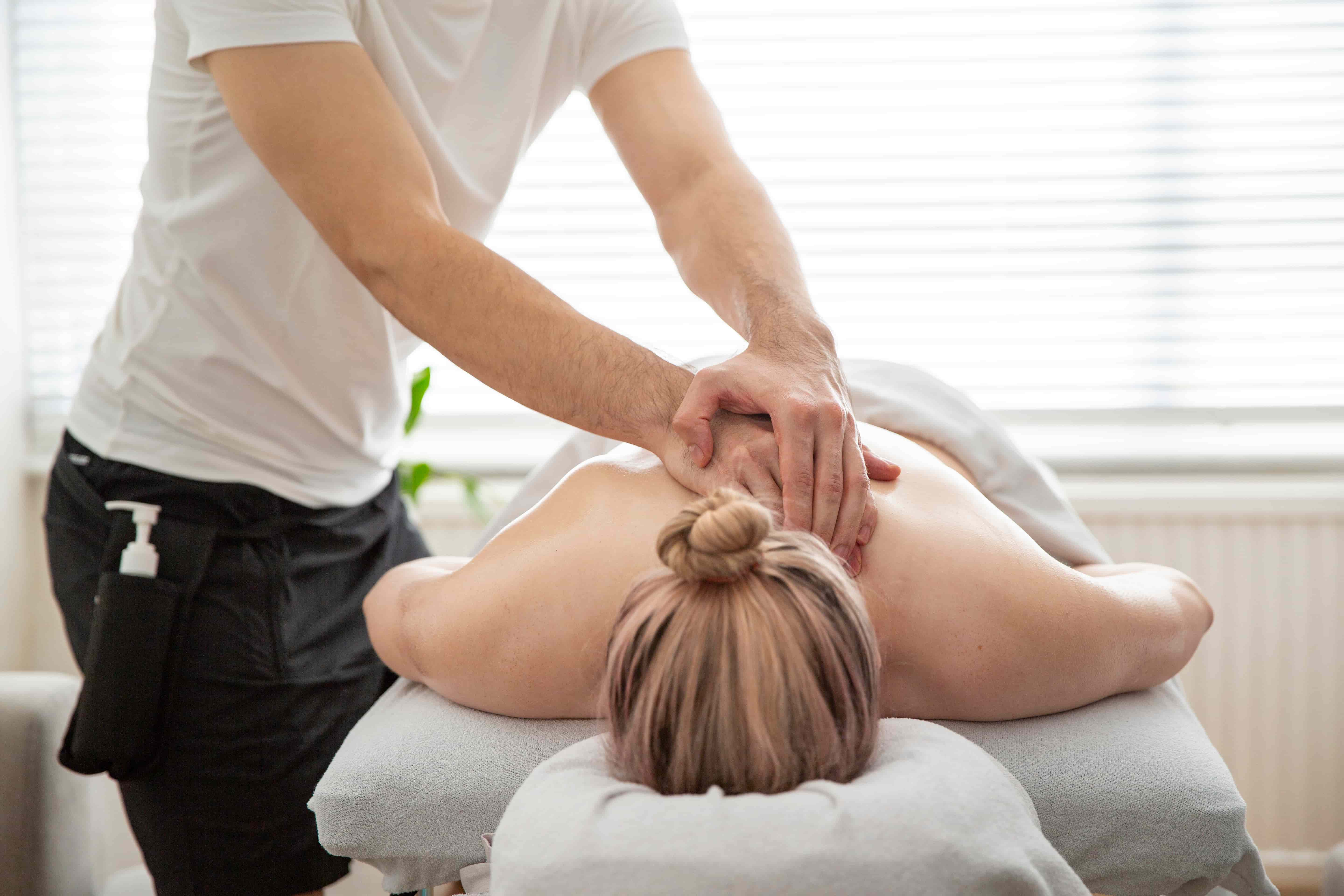
Two of the most searched-for treatments in South West London — explained clearly.

Read more
How often sports massage
Recovery

How often should you get a sports massage?
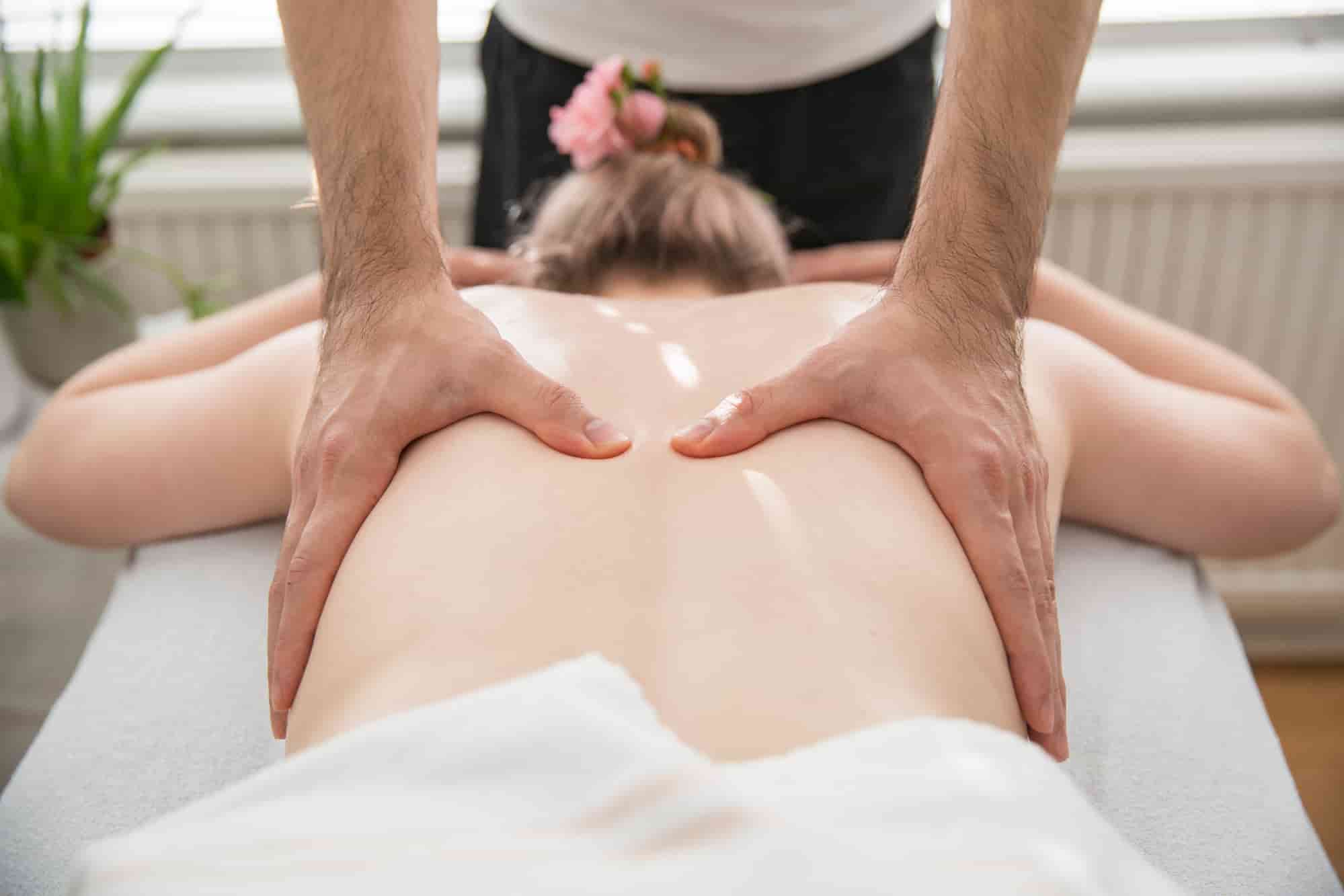
Whether you're a marathon runner or sit at a desk all day, the right frequency is different for everyone.

Read more
Back pain sports massage
Pain Relief

Why your back pain keeps coming back — and how to stop it.
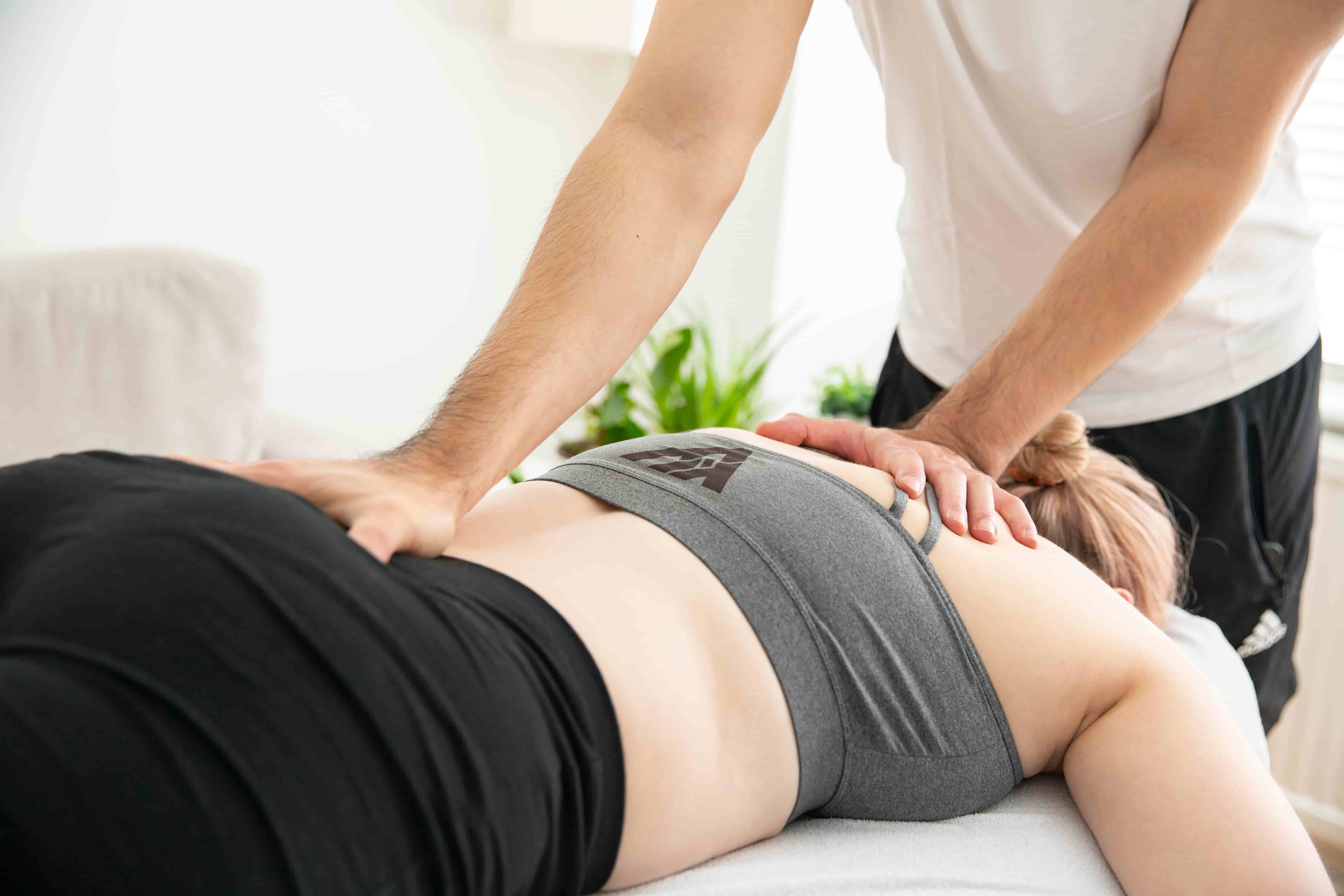
If rest makes it better but it returns within days, you're managing the symptom not the cause.

Read more
First sports massage
Getting Started

What to expect from your first sports massage.
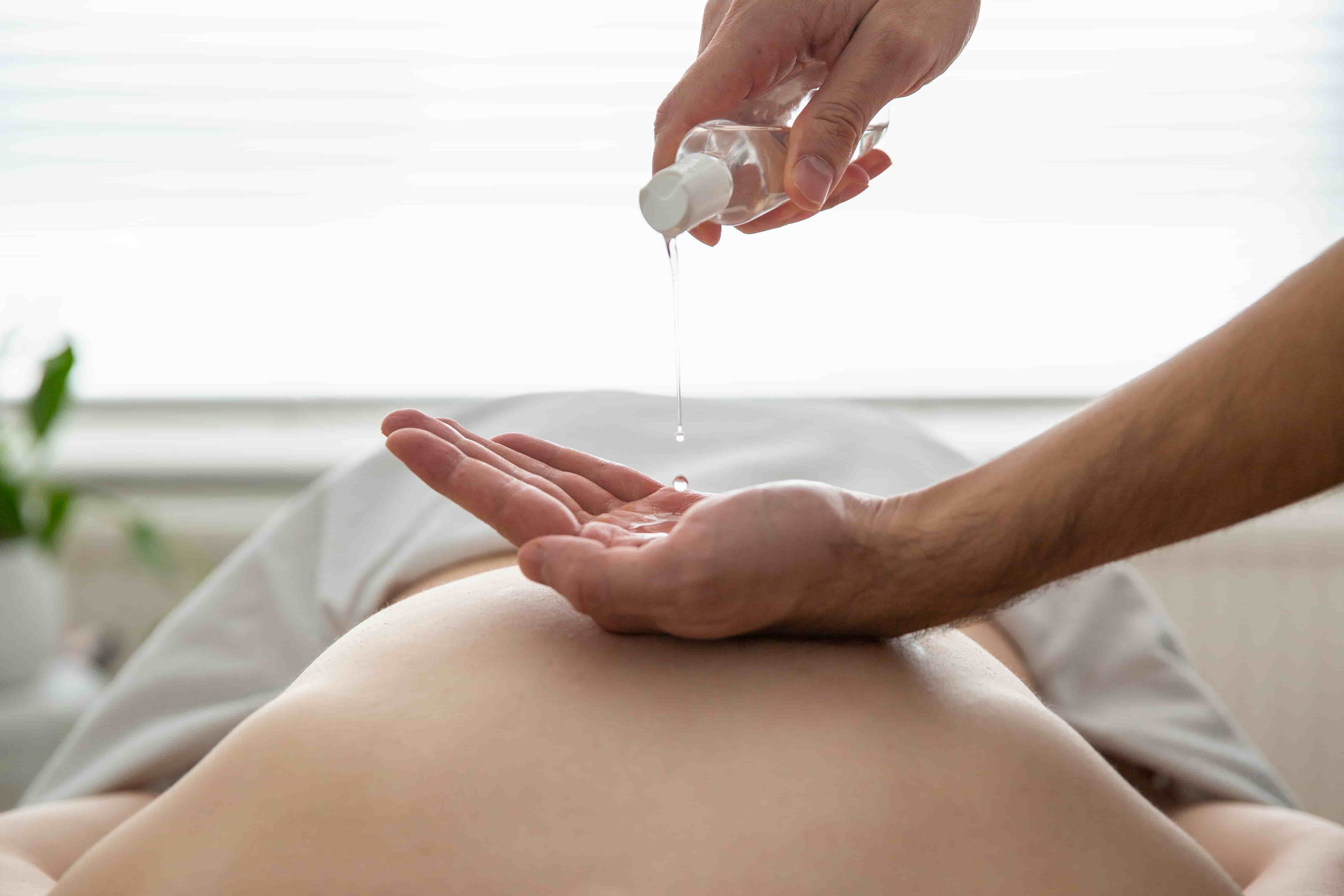
Never had a sports massage before? Here's exactly what happens — from arrival to the days after your session.

Read more
RockTape kinesiology taping
Treatments

What is RockTape and how does kinesiology taping actually help?
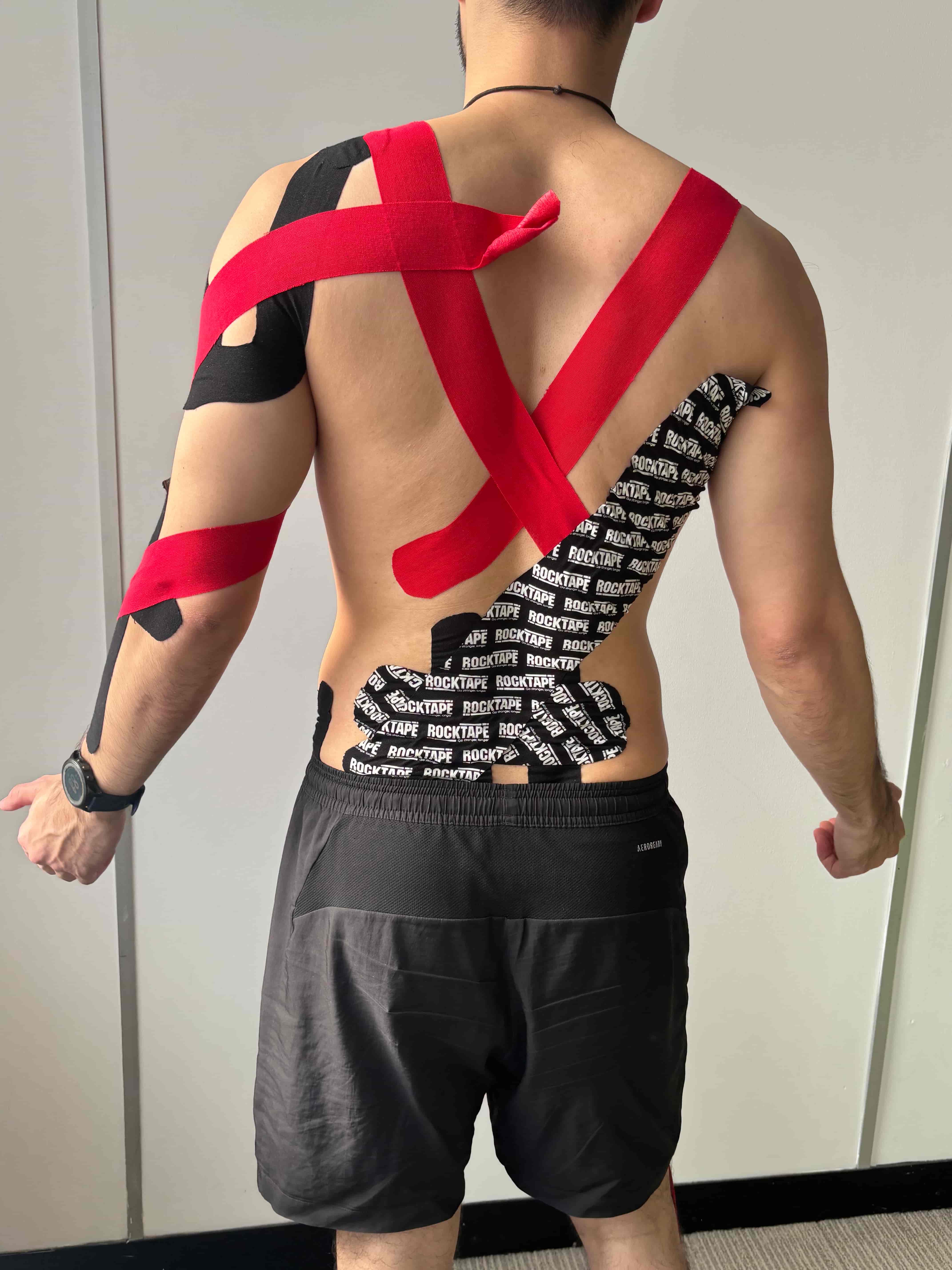
You've seen athletes covered in colourful tape. Here's what it actually does and when Nick uses it.

Read more
Running · 6 min read

Sports massage for runners — when to book and what to expect.

Running is one of the best things you can do for your body. It's also one of the most demanding. Whether you're training for your first 5K or preparing for a marathon, the repetitive nature of running creates specific patterns of tension, imbalance and injury risk that build up over time — often before you even notice them.

Sports massage addresses these directly. Used well, it doesn't just help you recover — it helps you perform better, stay injury-free and extend your running career. But timing matters, and most runners leave it too late.

The most common mistake: waiting until something hurts before booking. The best results come from using sports massage as a consistent part of your training — not as a crisis response.

What running actually does to your body

Every stride places significant load through your calves, hamstrings, hip flexors, IT band and lower back. Over the course of a training block — particularly as mileage increases — this accumulates. Muscles tighten, movement patterns shift, and the body starts compensating. This is where most running injuries come from. The calf strain, the IT band pain, the knee niggle — these rarely appear from nowhere. They're the result of weeks of accumulated tension finally reaching a tipping point.

Sports massage works by releasing that tension before it becomes a problem, restoring proper movement patterns, and addressing the muscle imbalances that running naturally creates.

When should runners book?

During a training block

Regular maintenance massage — every two to four weeks during a training build — is the most effective way to use sports massage as a runner. Sessions during this phase focus on keeping your muscles in good working order, addressing tightness before it develops into a problem, and helping you absorb training load more effectively.

Before a race

A well-timed pre-race massage can reduce muscle tension, improve range of movement and help you arrive at the start line feeling looser and more prepared. The key word is well-timed — ideally 5 to 7 days before a major event, not the day before. A massage too close to race day can leave you feeling temporarily fatigued as the body responds to treatment.

After a race

Post-race massage is one of the most underused tools in recovery. Coming in within 48 to 72 hours of a race helps flush out metabolic waste, reduce soreness and speed up your return to training. After a marathon especially, the difference in recovery time between those who have post-race massage and those who don't is significant.

When something feels wrong

If you're experiencing tightness, a niggle or a recurring issue — book immediately. Don't wait until it becomes an injury. Early intervention is almost always faster and more effective than treating an established problem.

Common running injuries sports massage helps with

  • IT band syndrome — tightness and pain on the outer knee, caused by a tight IT band and hip imbalance
  • Shin splints — overload of the tibialis anterior, common in runners increasing mileage quickly
  • Calf strains and tightness — one of the most common issues in distance runners
  • Hamstring tightness — often a sign of hip flexor imbalance rather than a pure hamstring problem
  • Plantar fasciitis — heel pain caused by tension in the calf and plantar fascia
  • Lower back pain — common in runners with tight hip flexors and weak glutes

What happens in a session

Your first session begins with a short assessment — understanding your training load, any current issues and what your body needs. Treatment then focuses on the areas most relevant to your running: typically the calves, hamstrings, hip flexors, glutes, IT band and lower back.

Sessions are 60 or 90 minutes. For runners in active training, the 90-minute session is recommended — it gives enough time to work thoroughly across the legs, hips and lower back in a single appointment, producing better and longer-lasting results.

Any post-treatment soreness is normal and usually fades within 24 hours. Most runners feel noticeably better the following day.

What a client said: "Having been in tears thinking my Copenhagen Marathon was over with a calf injury four weeks out, Nick got me to the start line — and I finished in 3 hours 6 minutes. I now look forward to him helping me with prevention rather than cure." — Charlie, Google Review

How many sessions do runners need?

For maintenance during a training block, one session every two to four weeks is typically sufficient. For an acute injury, two to three sessions close together — ideally within one to two weeks — produces the fastest resolution. If you're preparing for a specific event, a programme of sessions throughout your training build delivers the most thorough results.

Ready to support your running?

New clients can text "Intro" for a first 60-minute session at £70. Nick works with runners across New Malden, Kingston, Wimbledon, Raynes Park and surrounding areas.

Book a Session
Desk Workers · 5 min read

Why desk workers get back pain — and what actually fixes it.

If you work at a desk, the chances are you've experienced some form of back, neck or shoulder discomfort. It might be a dull ache by mid-afternoon, stiffness when you get up from your chair, or a nagging tightness between your shoulder blades that never quite goes away. You're not alone — it's one of the most common complaints I see, and it affects people regardless of how ergonomic their setup is.

The reason is simple: the human body wasn't designed to sit still for hours at a time. When it does, predictable things happen — and understanding them is the first step to actually fixing the problem rather than just managing it.

What sitting does to your body

When you sit for extended periods, your hip flexors — the muscles at the front of your hips — shorten and tighten. At the same time, your glutes (the muscles that should be stabilising your pelvis and lower back) effectively switch off from lack of use. This combination tilts your pelvis forward, flattens your lumbar curve, and puts your lower back under constant load that it wasn't designed to handle.

Meanwhile, your head moves forward. For every inch your head moves in front of your shoulders, the effective weight your neck and upper back muscles have to support increases dramatically. Pair that with rounded shoulders from typing, and you get the signature desk worker pattern: tight chest, weak upper back, forward head position, and a lower back that's chronically overloaded.

Key point: Desk-related back pain is almost always a muscle imbalance problem, not a structural one. Stretching the bit that hurts rarely fixes it — because the bit that hurts is usually reacting to tightness somewhere else.

Why stretching alone doesn't work

The most common response to desk pain is to stretch the area that hurts — usually the lower back or neck. This can provide temporary relief but rarely fixes the underlying cause because the pain is often a symptom of tightness elsewhere rather than the source of the problem. Tight hip flexors pulling the pelvis forward cause lower back pain. Tight chest muscles pulling the shoulders forward cause upper back and neck pain. Stretching the lower back when the real culprit is your hip flexors is like turning down the fire alarm without putting out the fire.

What sports massage actually does for desk workers

A focused sports massage for desk workers targets the tight areas that are driving the imbalance — typically the hip flexors, chest, upper traps and suboccipitals (the muscles at the base of the skull) — rather than just the area that hurts. By releasing the tissue that's pulling your posture out of alignment, it allows the muscles that have been overworking to finally relax, and gives you a window to start moving properly again.

Most desk worker clients notice a significant difference after the first session — less tension, better range of movement, and often improved energy because the body is no longer spending so much effort managing chronic low-level pain.

How many sessions?

For an ongoing desk-related issue, 2–3 sessions close together (within 2–3 weeks) typically produces significant improvement. Monthly maintenance thereafter keeps things from building back up. The goal is to get you to a point where your body can manage itself — not to keep you coming back indefinitely.

Desk worker in South West London?

Nick works with desk workers across New Malden, Kingston, Wimbledon and surrounding areas. New clients get a first session at £70.

Book a Session
Education · 4 min read

Sports massage vs deep tissue — what's the actual difference?

It's one of the most common questions I get when people call to book: "Should I go for sports massage or deep tissue?" The honest answer is that in practice, most sessions draw on both — but understanding the distinction helps you know what to ask for and what to expect.

Sports massage — what it means

Sports massage is a broad term that describes massage designed around the demands of physical activity. It typically involves a combination of techniques — Swedish massage, deep tissue work, trigger point therapy, stretching — applied with the goal of improving performance, supporting recovery and addressing the specific muscle imbalances that athletic activity creates.

It's not just for elite athletes. The "sports" in sports massage refers to the approach — systematic, targeted, focused on function — rather than the client. Desk workers, drivers and people with sedentary lifestyles often benefit from the same functional approach because their bodies develop the same kind of imbalances (just from different causes).

Deep tissue massage — what it means

Deep tissue massage refers specifically to work that targets the deeper layers of muscle and connective tissue. It uses slower, more deliberate strokes and more focused pressure to reach tissue that lighter techniques can't effectively address. It's particularly effective for chronic tension, areas of long-standing tightness, and muscle groups that have built up significant adhesions over time.

Deep tissue isn't automatically harder or more painful than sports massage — it's about working with appropriate depth for the tissue that needs addressing, not applying maximum pressure across the board.

How they overlap in practice

A skilled sports massage therapist uses deep tissue techniques as part of their toolkit. A deep tissue massage therapist often takes a sports-informed approach to assessment and treatment planning. In practice, the most effective sessions are those that use whatever combination of techniques is most appropriate for your body at that time — which is exactly how sessions at Supreme Sports Therapy work.

When you book, rather than worrying about the label, focus on describing what you're experiencing and what you want to achieve. That gives me the information I need to use the right approach for you.

Not sure which is right for you?

Just describe what's going on and Nick will recommend the right approach. New clients get a first session at £70.

Book a Session
Recovery · 4 min read

How often should you get a sports massage?

The honest answer is: it depends. The right frequency for a marathon runner in heavy training is completely different from someone who sits at a desk and wants to keep on top of postural tension. Here's how to think about it for your situation.

If you're dealing with an acute issue

Two to three sessions in close succession — typically within two to three weeks — tends to produce the fastest results for an established problem. The first session begins the process of releasing tension and restoring movement. The second consolidates those changes. The third locks them in. After that, monthly maintenance is usually sufficient to stop the problem returning.

If you're in active sports training

During a training block — particularly the build-up to an event — every two to four weeks is the sweet spot for most people. This is frequent enough to prevent tension from accumulating to problem levels, without being so frequent that you're constantly in recovery from the massage itself. In the final weeks before a major event, the frequency typically reduces to allow full recovery before race day.

For general maintenance

If you're not dealing with a specific issue but want to stay on top of general tension — perhaps from desk work, driving or a moderately active lifestyle — once a month tends to work well for most people. Some clients find every six weeks is sufficient; others prefer every three weeks. The right answer is the one that keeps you feeling comfortable and moving well.

Signs you need to book sooner

  • A niggle or area of tightness that's been present for more than a week
  • Reduced range of motion that doesn't resolve with rest
  • Pain that's affecting your sleep, work or training
  • Post-event stiffness that's lasting longer than usual

In any of these situations, don't wait for your next scheduled session — book an additional appointment. Early intervention is almost always faster and cheaper than waiting for a problem to fully develop.

Ready to get started?

New clients get a first 60-minute session at £70. Text "Intro" to +44 7517 335 358.

Book a Session
Pain Relief · 4 min read

Why your back pain keeps coming back — and how to stop it.

If your back pain disappears with rest but returns within days or weeks, you're managing the symptom rather than fixing the cause. This is one of the most common patterns I see — and it's entirely fixable once you understand what's actually happening.

Why rest alone doesn't fix back pain

Rest reduces inflammation, which reduces pain. But it does nothing to address the muscle imbalances, tightness or movement patterns that created the problem in the first place. As soon as you return to your normal activities, those same forces act on the same weaknesses, and the pain returns. This is why people describe back pain as "coming and going for years" — they've never addressed the underlying cause.

The pattern: Pain appears → rest → pain reduces → return to normal activities → pain returns. Repeat indefinitely until the root cause is addressed.

The most common root causes

  • Tight hip flexors — from sitting — that tilt the pelvis forward and load the lower back
  • Weak or inhibited glutes — that shift stabilisation load to the lower back muscles
  • Tight thoracic spine — which forces the lower back to compensate for reduced movement higher up
  • Muscle imbalances from repetitive movement — common in drivers, manual workers and desk workers

How sports massage addresses it

Rather than treating the area that hurts, effective treatment identifies what's driving the pain. For most lower back complaints, this means releasing the hip flexors and thoracic spine, activating the glutes, and restoring normal movement patterns throughout the whole posterior chain. Once the structure that's been overloaded is properly supported, the pain stops returning.

Most clients with chronic lower back pain see significant improvement within 2–3 focused sessions, followed by a maintenance plan that prevents recurrence.

Still dealing with recurring back pain?

New clients get a first 60-minute session at £70. Book online or text "Intro" to +44 7517 335 358.

Book a Session
Getting Started · 3 min read

What to expect from your first sports massage.

If you've never had a sports massage before, it's natural to have questions. What happens? Does it hurt? What should you wear? Here's exactly what to expect from start to finish.

Before your session

You don't need to do anything special to prepare. Wear or bring comfortable clothing you can move in — shorts and a t-shirt work well for most treatments. Avoid a heavy meal in the hour before, and drink water beforehand so you're hydrated. If you have any medical conditions, injuries or areas of concern, make a note of them to mention at the start.

The assessment

Your first session begins with a short consultation. I'll ask about what brought you in, any current issues, your activity level, and what you want to get out of the session. This typically takes 5–10 minutes and shapes the entire treatment that follows — it's what makes the difference between a generic massage and one that actually fixes the problem.

The treatment

Treatment takes place on a professional massage table. You'll be covered by towels throughout, with only the area being worked on exposed. Pressure is applied directly to the muscles — it may feel intense in areas of tightness but should never be genuinely painful. You can and should tell me at any point if the pressure is too much — it will be adjusted immediately.

After the session

Some clients feel immediate relief. Others notice mild soreness for 24–48 hours as the muscles respond to treatment — this is normal and a sign the work is being done. Drink water afterwards, avoid intense exercise for the rest of the day, and most clients feel noticeably better by the following morning.

Ready to book your first session?

New clients get a first 60-minute session at £70. No commitment required — just text "Intro" to +44 7517 335 358.

Book Now
Treatments · 3 min read

What is RockTape and how does kinesiology taping actually help?

You've seen athletes with colourful tape across their knees, shoulders and backs. RockTape is the professional-grade version of this — and when applied correctly, it's a genuinely useful tool for supporting tissue, managing pain and facilitating movement. Here's what it actually does.

How kinesiology tape works

Unlike rigid sports tape, RockTape is elastic — it stretches up to 180% of its original length. When applied to the skin, it lifts the tissue slightly, which reduces compression on the underlying structures, improves circulation and can help with pain management. It also provides proprioceptive feedback — a subtle sensory cue that helps the body move more efficiently.

What it can help with

  • Reducing swelling and bruising after acute soft tissue injuries
  • Supporting muscles and joints without restricting movement
  • Managing pain during activity and recovery
  • Correcting movement patterns by providing sensory feedback
  • Postural support for desk workers and people with neck or shoulder issues

What it can't do

RockTape isn't a cure. It won't fix a structural problem or replace proper treatment. I use it as an adjunct to massage — providing between-session support so the work done in the treatment room carries through into daily life and activity. If tape is appropriate for your situation, I'll apply it at the end of your session and show you how to look after it.

Want to know if taping would help you?

Ask Nick at your next session, or book a first appointment to find out what your body needs.

Book a Session